
Fashion forecasting for designers: The best brands are not trend-led
Fashion forecasting for designers is most valuable when it sharpens brand judgement instead of pushing every emerging trend into a collection

Being trend-aware and being trend-led are not the same thing.
The distinction matters because fashion is now saturated with information. Designers can see what is emerging almost instantly, competitors are visible in real time and social platforms make it easy to mistake repetition for importance. The temptation is to respond quickly, particularly when a colour, silhouette or detail appears to be gaining momentum.
The strongest brands do something different. They understand the movement, assess its relevance and then decide whether it deserves a place within their own design language.
That is where fashion forecasting for designers becomes genuinely useful. Its role is not to encourage participation in every visible shift, but to provide enough context for a brand to remain informed without becoming reactive.
This is also the principle behind Trend Suite. Forecasting should strengthen your filter, not weaken your point of view.
Strong brands use trends as information, not instruction
Trend-led design often begins with the same question: What is everyone doing next?
That can quickly become limiting.
When the objective is simply to keep up, product decisions start to orbit around external references rather than the identity of the brand. A colour is used because it is visible, a silhouette is adopted because it appears repeatedly and a detail enters the collection because competitors have begun using it.
The result may look current, but it can also become interchangeable.
A stronger approach begins with a different question: What does this shift mean for us?
That change in language is small, but strategically important. It places the brand back in control.
The trend still matters. The cultural movement still matters. The evidence behind the shift still matters. What changes is the assumption that relevance requires imitation.
Within Trend Suite, broader cultural intelligence, Macro Trends, Micro Trends, Design Directions and seasonal forecasts are there to show where change is happening and how it is developing. The final translation remains a brand decision.
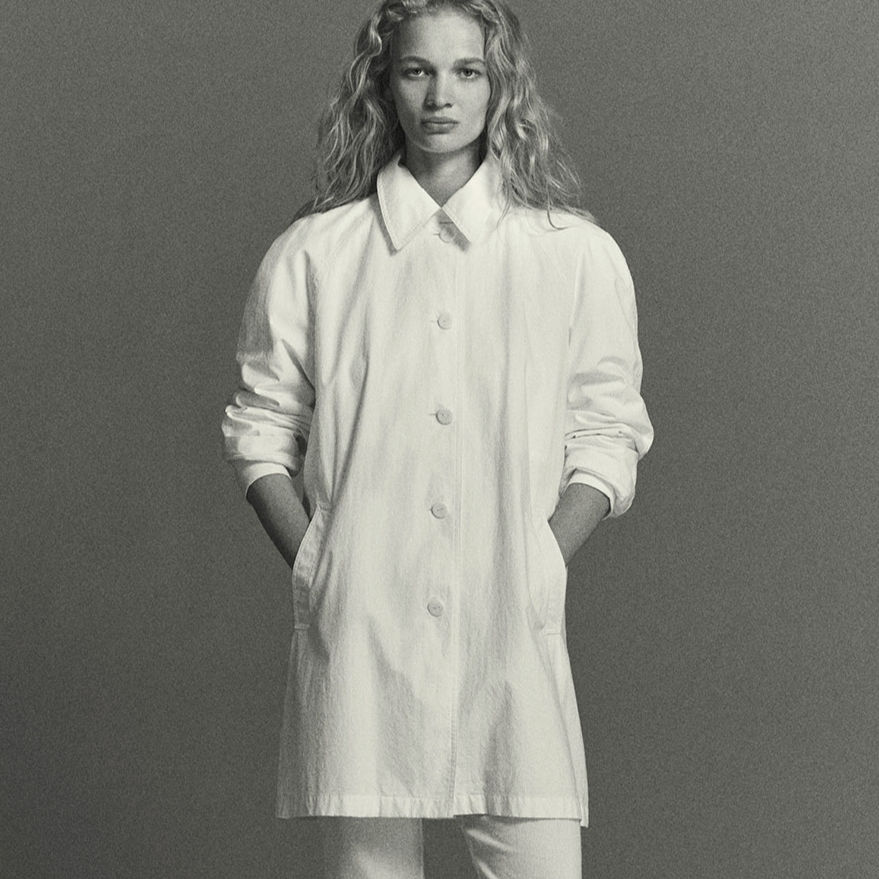
The strongest collections absorb change without surrendering the codes that make the brand recognisable.
Trend literacy is more valuable than trend compliance
A trend-literate brand understands the market without becoming controlled by it.
It can recognise that proportions are changing without rebuilding the entire collection around one new shape. It can see that a colour family is gaining importance without abandoning the palette codes customers already associate with the brand. It can identify a cultural shift and allow that movement to influence material, mood or styling without turning it into a literal theme.
That level of interpretation protects distinctiveness.
The strongest collections often contain trends, but they rarely feel like trend collections. The ideas have been filtered so thoroughly through the brand that they no longer read as borrowed references.
This is where fashion forecasting for designers should earn its place. It should help teams understand not only what is becoming important, but also how strongly that change should be allowed to influence the collection.
The value lies in creating informed restraint.
The danger is not missing every trend. It is losing your point of view.
Brands often worry about being late.
That fear can encourage overcorrection. Once a trend becomes visible enough, there is pressure to act quickly in case the opportunity disappears. Yet trying to respond to every emerging movement can be more damaging than deliberately ignoring some of them.
A collection built from too many external signals can lose coherence. Colour moves in one direction, silhouette in another, product details arrive from somewhere else and the finished offer begins to reflect the market more strongly than the brand itself.
That is the real risk of becoming trend-led.
A distinctive brand needs enough awareness to understand what is changing, but enough confidence to decide which changes are irrelevant to its own customer.
This is why Trend Suite is better understood as a filter than a prescription. The platform gives teams a broader view of the season so they can assess which movements are genuinely important, which ones deserve only a light touch and which should be consciously left out.
A trend can matter without appearing literally in the collection
One of the most useful aspects of forecasting is understanding that influence does not always need to be obvious.
A macro shift around protection might affect the weight, layering or sense of enclosure in a collection without producing anything that looks overtly utilitarian. A wider movement towards emotional softness could influence colour and material rather than silhouette. A digital cultural shift might alter finish, precision or surface while leaving the overall aesthetic restrained.
This is often where stronger brands create the most interesting work.
They absorb the underlying movement and translate it indirectly.
That approach produces product that feels culturally relevant without feeling derivative, because the trend has been interpreted through the brand rather than simply placed on top of it.
For designers, this is where forecasting becomes far more sophisticated than visual trend spotting.
USE TRENDS WITHOUT BECOMING TREND-LED
Sharper fashion trend forecasting
Understand what is moving, then decide what belongs.
Trend Suite connects cultural intelligence, Macro Trends, Micro Trends, Colour Lab, Design Directions and seasonal forecasts so designers can understand the wider movement of fashion without treating every emerging signal as an instruction.
The platform is designed to support judgement. It gives teams context around why something is changing, where that change is appearing and how strongly it may affect different parts of the season, while leaving the final decision with the brand.
The objective is not to make your collection more trend-led. It is to make your decisions more informed.

Trend Suite
Explore Trend Suite to discover seasonal forecasts, Colour Lab, Macro Trends, Micro Trends, Design Directions and practical resources built to help you move from cultural change to stronger product decisions.

Brand consistency is not the same as standing still
Avoiding trend-led design does not mean resisting change.
Brands still need to evolve. Customers notice when proportion feels dated, when colour has stopped moving or when product begins to repeat itself without enough development. Distinctiveness depends on continuity, but continuity without progression can quickly become stagnation.
The challenge is to evolve the brand language rather than replace it.
That may mean shifting a familiar silhouette rather than abandoning it, introducing a new colour family through existing product codes or allowing an emerging detail to influence one category before it spreads more widely.
Forecasting becomes useful because it gives teams a clearer understanding of where movement is happening, allowing them to choose the areas in which evolution will have the greatest effect.
This is a much stronger position than chasing relevance after the market has already made the decision for you.
Final perspective: Fashion forecasting for designers
The best brands are rarely trend-blind, but they are not trend-led either.
They understand the market, recognise cultural change and know which movements are gaining importance, yet they continue to filter that information through a clear point of view.
That is the role of strong fashion forecasting for designers. It should not tell you what to copy or make every brand respond in the same way. It should provide enough intelligence to help you understand where change is happening and enough context to decide whether that change deserves a place in your collection.
Trend Suite is built around that principle: better information, stronger filters and more considered design decisions.
The goal is not to follow the season. It is to understand it well enough to stay recognisably yourself.
Choose how you forecast

The Forecast Library
Focused direction when you need it.
Individual fashion trend forecasts for brands that need focused direction across colour, macro trends, print, silhouette, materials and key product categories.
Choose the season and category relevant to your collection, with clear intelligence designed to help you understand what is shifting and turn emerging signals into sharper product decisions.
Join Innovator Elite
The complete Trend Suite forecasting system.
For brands and product teams that need the full view. Access the Forecast Library, every new release, Colour Lab, Macro Trends, Micro Trends, Design Directions and practical resources in one connected platform.
Built for continuous access across seasons and categories, so your forecasting intelligence stays connected rather than pieced together.


