
Beautiful isn’t enough: How to build a fashion collection people actually want to buy
A stronger fashion collection starts with understanding what customers are moving towards before the biggest product decisions become expensive to change

There is a persistent assumption in fashion that if the product is beautiful enough, well made enough or distinctive enough, demand will follow. Sometimes it does, but the market is also full of beautifully executed collections that struggle to create enough desire to convert attention into sales. Good product is the starting point, not the guarantee, because customers are responding to relevance, timing, identity and the sense that something feels right for where fashion is moving next.
A strong fashion collection needs to bring those elements together early enough for them to influence the product itself. By the time the campaign is shot and the collection is ready to launch, many of the decisions that determine whether customers will actually want it have already been made, which is why access to connected seasonal intelligence through Innovator Elite becomes most valuable before development has hardened into something expensive to change.
Why a fashion collection needs more than good taste
Taste remains fundamental, but taste alone cannot tell a brand which ideas are beginning to gain momentum, which are approaching saturation or which shifts will still feel relevant by the time the product reaches the customer. Creative instinct responds brilliantly to what feels interesting now; product development requires the additional ability to look beyond the immediate moment and understand what is beginning to change underneath it.
This is often what separates a strong collection from an attractive one. The best product does not necessarily look more trend-led or more experimental. It simply feels better judged. Colour has moved enough to feel current without looking obvious, proportions have shifted enough to create newness without alienating the customer, and details give familiar categories a reason to exist again.
Getting that balance right is difficult because fashion constantly negotiates familiarity and change. Move too little and the collection risks feeling interchangeable with what already exists; move too far and the customer may struggle to connect with it. Stronger product decisions come from identifying which shifts are important enough to develop and then translating them through the specific language of the brand.

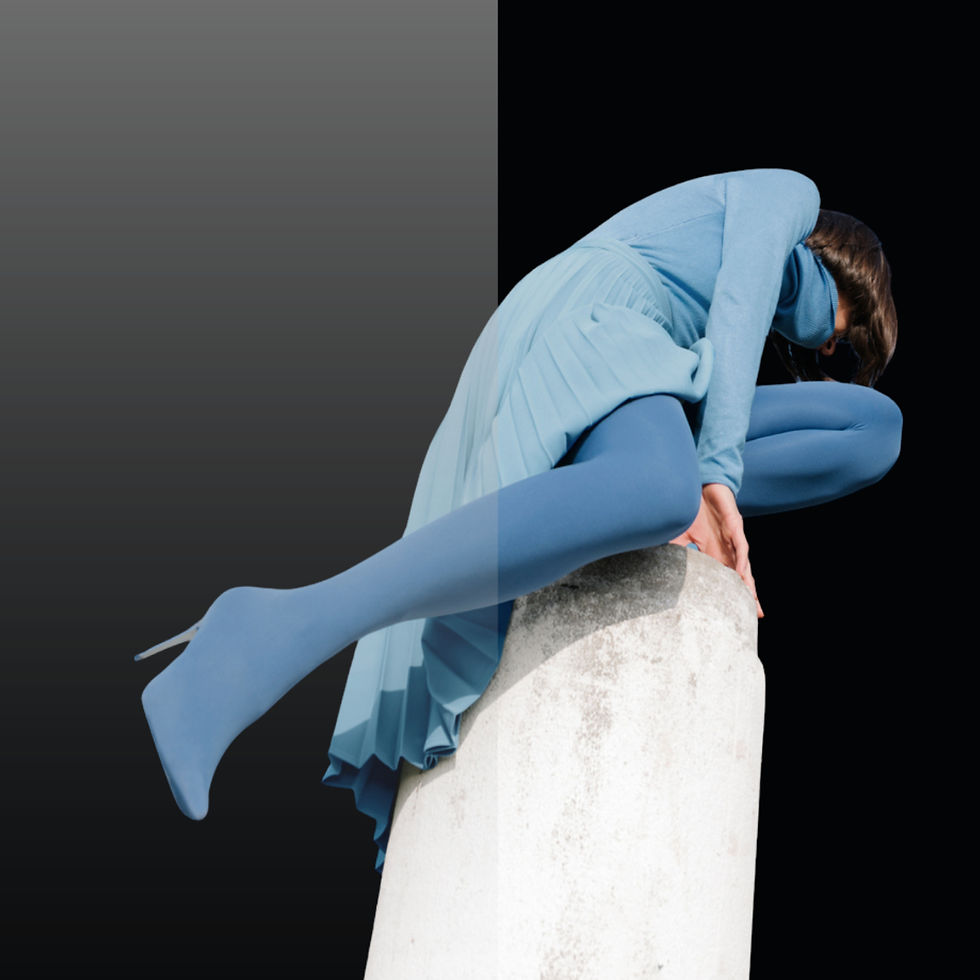
Bottega Veneta SS26. The strongest collections create desire through product that feels distinctive, relevant and immediately worth choosing.
Desire begins long before the campaign
Brands often treat desirability as something marketing creates once the product has been finished, but the foundations of desire are established much earlier. Campaign imagery, styling and communication can magnify a strong collection, yet they cannot completely compensate for weak colour choices, tired proportions or products that offer too little distinction from what the customer already owns.
Desirability begins when the first significant development decisions are made. Which colour families deserve depth, which silhouettes are starting to move, where proportions are changing, which pattern directions have enough momentum to warrant investment and which categories are becoming more important to the customer all influence how relevant the final collection will feel.
This is where forecasting becomes considerably more useful than simple trend spotting. Good forecasting should not hand a designer a list of things to copy; it should make the environment around a decision clearer, which is why Innovator Elite brings macro trends, colour, silhouette, pattern and product direction into one connected system rather than treating them as separate research exercises.
That distinction matters because no brand can develop everything. Every collection is an exercise in editing, and every decision to invest in one direction means deciding that another one does not deserve the same time, budget or space.
The strongest collections give customers a reason to choose
Customers have access to an extraordinary amount of fashion, which means the commercial challenge is no longer simply to create something attractive. The product needs enough distinction, relevance and emotional pull to justify being chosen over dozens of alternatives competing for the same attention and spend.
That does not mean every product needs to become radical. In many categories, commercial newness comes from adjusting one element with precision. A dress may remain recognisable while its waist, neckline or volume changes the attitude completely. A knit may depend on a new proportion, construction detail or surface treatment rather than a wholesale reinvention. A familiar colour can become newly desirable because its temperature, depth or relationship to the wider palette has shifted.
These changes can look relatively subtle on a trend board, but they can have a significant impact on product. The more useful question for a brand is therefore not simply what is trending? but what is changing enough to influence what my customer will want next?
That question moves trend forecasting away from passive inspiration and much closer to the decisions that determine whether a collection feels relevant when it finally enters the market.
Better product starts with a better read of the season
One of the weaknesses of fragmented trend research is that individual decisions can look convincing in isolation while the finished collection lacks a coherent point of view. Colour may be researched independently from silhouette, pattern may be selected without enough consideration of the wider cultural direction, and product categories can be developed from separate references without anyone seeing whether those choices actually belong together.
A stronger seasonal view makes those connections visible earlier. Macro direction influences the emotional territory of the collection, colour determines how that territory is expressed, silhouette changes how the body is read, pattern adds another layer of identity, and product intelligence reveals where those shifts are becoming commercially actionable. When these decisions are considered together through a system such as Innovator Elite, teams have a much stronger basis for deciding what belongs in the collection and what should be removed.
This is also why trend intelligence should reduce noise rather than create more of it. The aim is not to expose teams to an endless quantity of emerging ideas, but to provide enough context to make clearer decisions about which ones deserve investment.
BUILD YOUR COLLECTION WITH THE FULL VIEW
Innovator Elite
The Trend Suite membership for brands that need stronger product decisions, not more trend noise.
Innovator Elite brings the full forecasting system together in one place, including every Trend Suite forecast, every new release, Colour Lab, Trend Intelligence, CAD Suite and practical resources. Instead of researching colour in one place, silhouette in another and cultural change somewhere else, teams can work across the same connected seasonal intelligence throughout the development process.
The value is not simply having more information available. It is being able to interrogate the season before development becomes difficult to change, compare different directions as your collection evolves and make sharper decisions about which ideas deserve commitment, which need further observation and which should be edited out.

Innovator Elite
Innovator Elite gives you full access to the Trend Suite forecasting ecosystem so colour, silhouette, pattern, cultural change and product direction can be considered together rather than researched as separate decisions.

The expensive part is finding out after development
The biggest risk is not always choosing something completely wrong. More often, it is discovering too late that a direction has become predictable, a colour has reached saturation or a category has moved while development was still anchored to an earlier assumption.
By the time those signals are obvious at retail, trade shows or across social media, they may be easier to recognise but considerably less useful strategically. The brand is then working with confirmation rather than foresight, and there is less room to interpret the movement in a way that feels ownable.
Earlier intelligence creates more space for judgement. It gives teams time to understand a direction before it becomes visually exhausted and to decide whether it genuinely belongs within the identity of the brand. That does not mean trying to be first at everything; it means having enough visibility to make considered decisions while there is still time to act on them.
For smaller brands in particular, this matters because product mistakes are expensive. Development budgets are finite, sampling capacity is limited and every SKU needs to justify its place. Better information cannot remove risk from fashion, but it can make the decisions behind that risk considerably more informed.
Final perspective: Fashion collection
Beautiful product will always matter, but beauty alone is not a commercial strategy. A collection becomes more compelling when design quality is supported by a clear understanding of what is changing around the customer, which shifts are gaining significance and how those movements can be translated without compromising the identity of the brand.
That is the useful role of trend forecasting. It should not make brands look alike and it should never replace creative instinct. Its job is to give that instinct a stronger framework, helping teams understand the wider context before they decide which direction deserves development.
Innovator Elite is built around that principle, connecting macro change, colour, pattern, silhouette and product direction so brands can see more of the season before committing to individual decisions. The objective is not to create a collection that looks more trend-led; it is to build one that feels more relevant, more distinctive and considerably harder for the customer to pass over.
Choose how you forecast

The Forecast Library
Focused direction when you need it.
Individual fashion trend forecasts for brands that need focused direction across colour, macro trends, print, silhouette, materials and key product categories.
Choose the season and category relevant to your collection, with clear intelligence designed to help you understand what is shifting and turn emerging signals into sharper product decisions.
Join Innovator Elite
The complete Trend Suite forecasting system.
For brands and product teams that need the full view. Access the Forecast Library, every new release, Colour Lab, Macro Trends, Micro Trends, Design Directions and practical resources in one connected platform.
Built for continuous access across seasons and categories, so your forecasting intelligence stays connected rather than pieced together.


